
Insights
Ideas for growing your business online.
Practical guides and thinking on SEO, paid media, conversion and automation.
-
HARO Link Building: Earn Free Editorial Links in 2026
In short: HARO (Help a Reporter Out) – now Connectively – connects journalists with expert sources: you answer reporter queries in your niche, and get quoted with a backlink from high-authority publications. It’s free, legitimate, and one of the most reliable ways for small businesses to earn editorial links. This 2026 guide covers setup, picking…
-
Broken Link Building: The Complete 2026 Playbook
In short: Broken link building finds dead links on relevant websites and offers your content as the replacement – one of the highest-converting link building tactics because you’re helping the site owner fix a problem, not just asking for a favour. This 2026 guide covers the complete playbook: finding broken links at scale, creating worthy…
-
Digital PR Strategy: Earn Press Links in 2026
In short: Digital PR is earning press coverage and high-authority backlinks through newsworthy stories, original data and creative campaigns – the highest-quality link building available in 2026. Unlike traditional link building’s one-by-one outreach, a single successful digital PR campaign earns dozens of editorial links from real publications. This guide covers campaign ideation, execution, journalist outreach…
-

Link Building Guide: Earn Backlinks That Rank in 2026
In short: Link building is earning backlinks from other websites – still one of Google’s strongest ranking signals in 2026, and increasingly a citation signal for AI answer engines. What changed: tactics that worked in 2020 (directories, exact-match guest posts at scale, PBNs) are dead or dangerous; what works is earning links with assets worth…
-
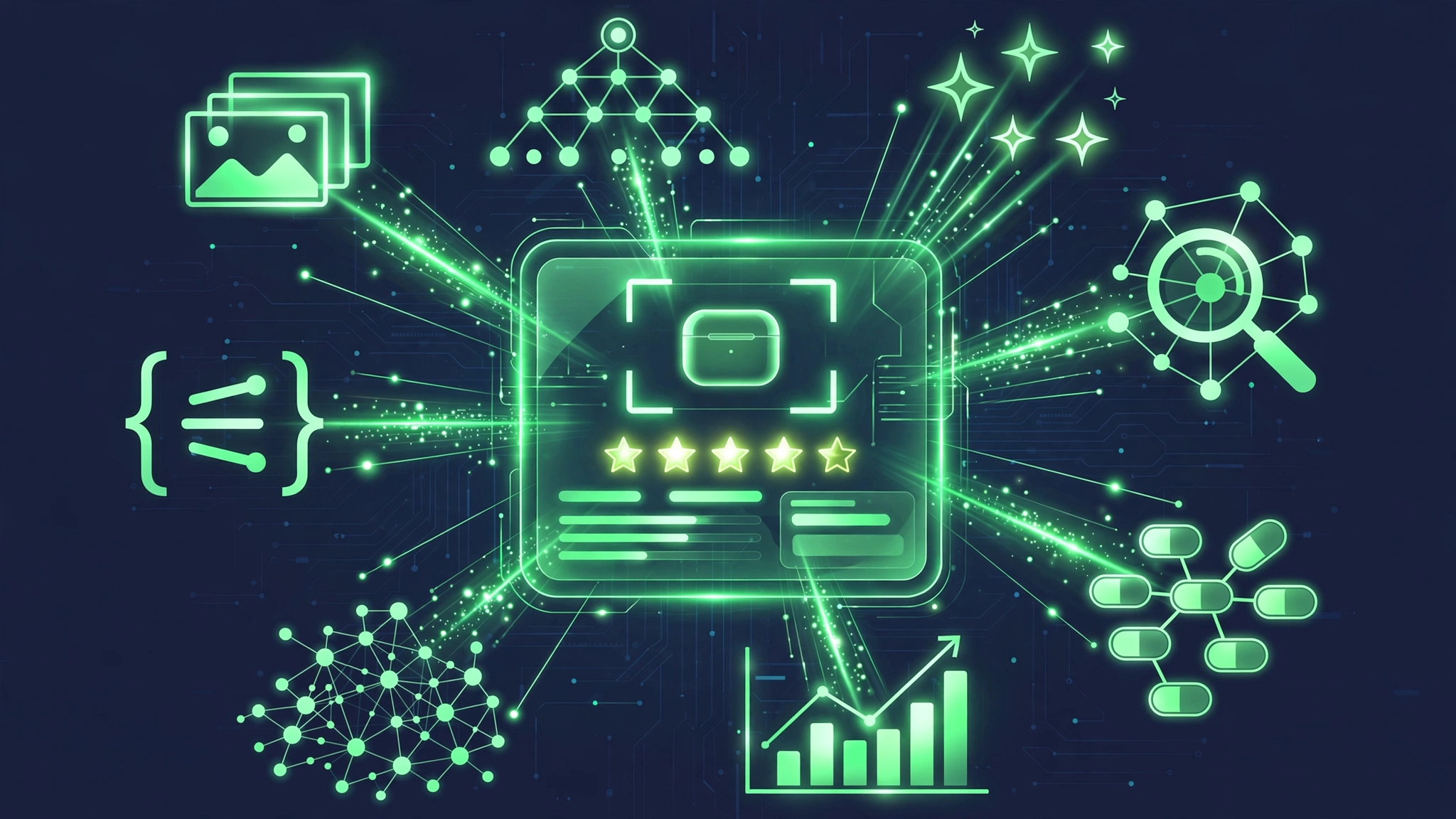
Product Page SEO: The 9-Element Checklist for 2026
In short: Product page SEO turns each product URL into a ranking landing page: unique benefit-led descriptions, precise keyword targeting, optimised images and video, Product + review schema, strategic internal linking and conversion-ready UX. Product pages are where eCommerce SEO converts to revenue – this 2026 guide is the complete optimisation checklist, element by element.…
-
WooCommerce SEO Guide: The Complete 2026 Setup
In short: WooCommerce SEO gives you full control – and full responsibility. Unlike hosted platforms, your rankings depend on your hosting, theme, plugin stack and configuration choices. This 2026 guide covers the complete WooCommerce SEO setup: hosting and performance foundations, product and category optimisation, the essential plugin stack, schema, and the WooCommerce-specific pitfalls that tank…
-
Shopify SEO Checklist: 40+ Optimisations for 2026
In short: Shopify SEO has specific quirks: rigid URL structures (/products/, /collections/), app bloat that kills speed, duplicate content from tags and variants, and limited robots.txt control. This 2026 checklist walks through every Shopify-specific optimisation – technical setup, collections, products, content, speed and apps – so your Shopify store ranks instead of just existing. Last…
-
eCommerce SEO Guide: Rank Your Online Store in 2026
In short: eCommerce SEO is the practice of making your online store rank for product and category searches: optimised product pages, crawlable category architecture, unique descriptions, review schema, site speed and internal linking. In 2026 it’s more competitive than ever – AI answer engines quote product pages directly – but the fundamentals still win: the…
-
Workflow Automation Guide: Connect Your Tools, Reclaim Your Hours (2026)
In short: Workflow automation connects your business tools so work flows without manual copying: when X happens, Y follows automatically. In 2026 the stack is mature – n8n, Make, Zapier plus AI nodes for judgment steps – and the ROI math is simple: every automated repetitive task returns hours permanently. This guide covers how to…
-
AI Agents for Business: What They Can (and Can’t) Do in 2026
In short: AI agents are autonomous or semi-autonomous systems that complete multi-step business tasks: lead research and enrichment, outreach sequences, data processing, report generation, competitive monitoring. They go beyond chatbots – instead of answering questions, they do work. This 2026 guide explains what AI agents can realistically do for business, the build-vs-buy landscape, guardrails, costs…
-
AI Chatbots for Small Business: The 2026 Implementation Guide
In short: AI chatbots for small business answer customer questions instantly, capture leads after hours, book appointments and handle support – trained on your business data, running 24/7 on your website, WhatsApp or Facebook. In 2026 they’re practical and affordable: the difference between good and bad bots is training data quality, human escalation design and…
-

AI Automation Agency: What to Look for When Hiring in 2026
In short: An AI automation agency helps businesses automate repetitive work with AI: chatbots, AI agents, workflow automation, lead handling, content pipelines and integrations. The best agencies combine real AI capability (not just chatbot wrappers) with process understanding, measurable ROI and honest scoping. This 2026 guide explains what AI automation agencies do, how to evaluate…
-
Content Refresh Strategy: How to Update Old Posts for More Traffic (2026)
In short: Content refresh is the systematic practice of updating old posts – new statistics, current examples, expanded sections, improved structure – to recover lost rankings and traffic. In 2026 it’s one of the highest-ROI content activities: refreshing a decaying post often beats writing a new one, because the URL already has age, links and…
-
Topic Clusters & Pillar Pages: The 2026 SEO Content Model
In short: Topic clusters are a content architecture: one comprehensive pillar page covering a broad topic, surrounded by cluster posts covering subtopics in depth, all interlinked. This structure signals topical authority to Google, organises internal link equity, and – in 2026 – gives AI answer engines the entity-rich, interlinked content they cite. This guide shows…
-

Content Gap Analysis: How to Find Keywords You’re Missing (2026)
In short: A content gap analysis finds the keywords and topics your competitors rank for that you don’t – plus the queries nobody answers well. It’s the fastest way to build a content plan grounded in real demand instead of guesses. In 2026, the analysis has two layers: classic keyword gaps (Semrush/Ahrefs) and AI-citation gaps…
-
Content Marketing Strategy: The 2026 Guide for Australian Businesses
In short: A content marketing strategy is the plan behind content that actually drives business: who it’s for, what problems it solves, which formats and channels carry it, how it maps to search demand, and how success is measured. In 2026, winning strategies combine SEO-driven content, AI-search optimisation and distribution – because great content nobody…
-
Schema Markup Guide: Structured Data for SEO in 2026
In short: Schema markup (structured data) is code that explicitly tells search engines what your content means – this is a product with a price, that’s an FAQ, this is a local business with opening hours. It qualifies pages for rich results (stars, FAQs, product info in search), helps AI answer engines understand and cite…
-

JavaScript SEO: How to Make JS Sites Rank in 2026
In short: JavaScript SEO is the practice of making JavaScript-rendered websites crawlable, indexable and rankable. Google renders JavaScript – but with a render budget, delayed indexing and pitfalls around client-side routing, lazy content and links. In 2026, with JS frameworks everywhere, getting rendering right is the difference between ranking and invisibility. This guide covers how…
-
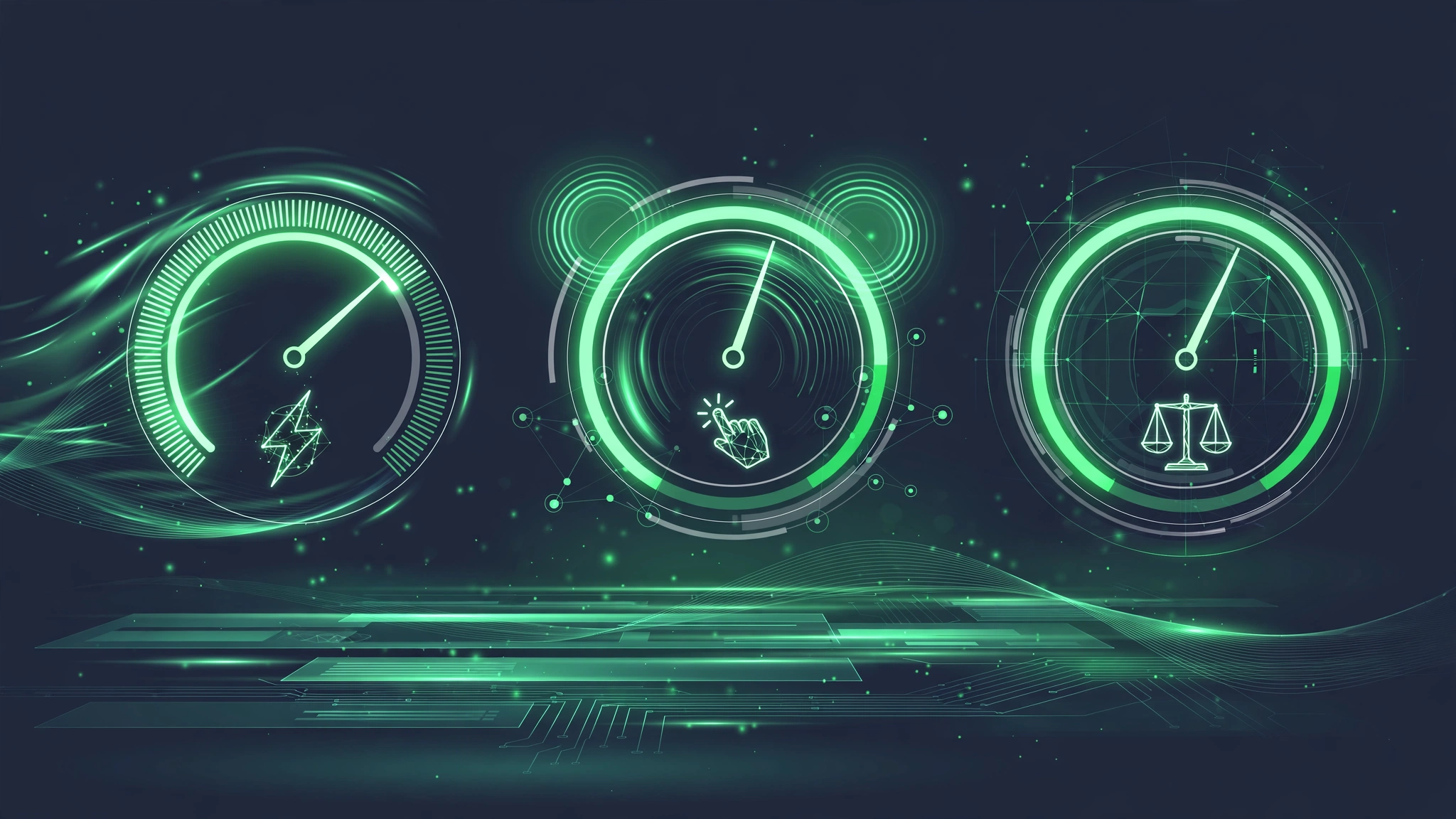
Core Web Vitals Optimization: The 2026 Guide
In short: Core Web Vitals are Google’s page-experience metrics: Largest Contentful Paint (LCP – loading), Interaction to Next Paint (INP – interactivity) and Cumulative Layout Shift (CLS – visual stability). In 2026 they remain confirmed ranking signals and – more importantly – directly affect conversions and crawl efficiency. This guide explains each metric, how to…
-

Technical SEO: The Complete 2026 Guide
In short: Technical SEO is the foundation every ranking is built on: crawlability, indexation, site speed, mobile usability, structured data, and site architecture. Without it, great content and links underperform – Google can’t rank what it can’t properly crawl, render and understand. This 2026 guide covers the complete technical SEO checklist for WordPress and modern…
Ready to turn your marketing into a growth engine?
Let’s identify where your biggest opportunities are and build a strategy around them.